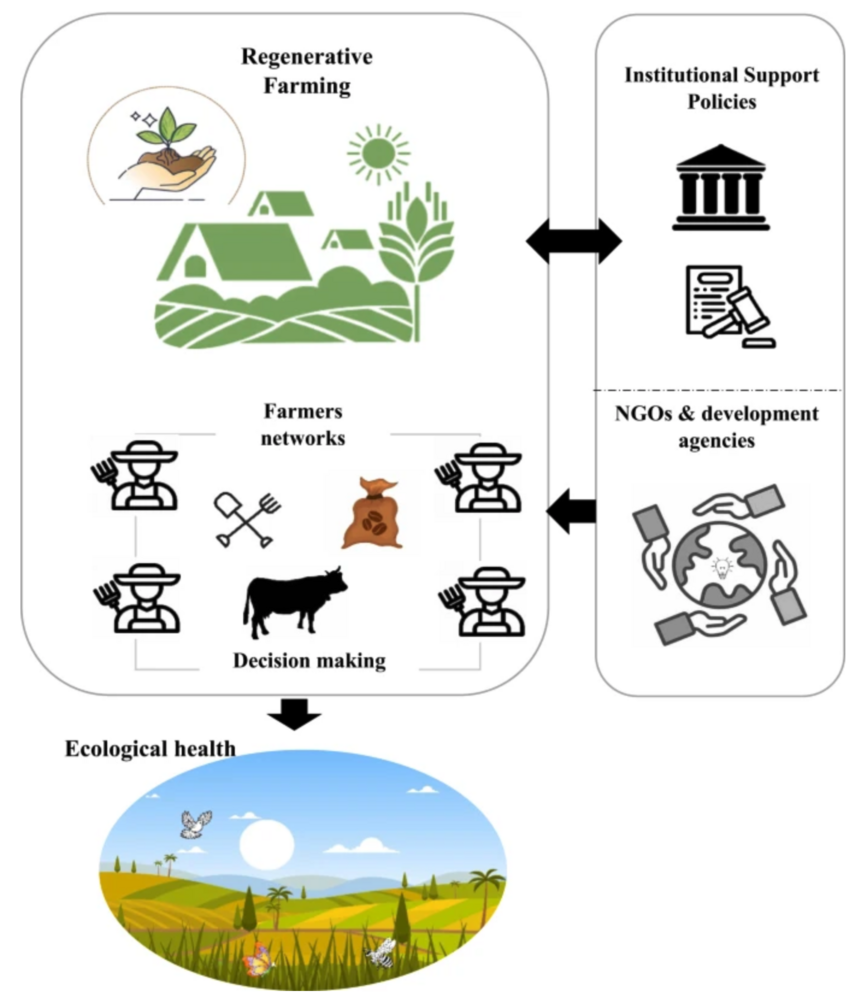
What role does the social aspect play in regenerative agriculture? Gaspar et al. address this question in a study from 2025. They identify five key dimensions of social capital that go far beyond a purely technical cultivation system.
Study report
What is it about?
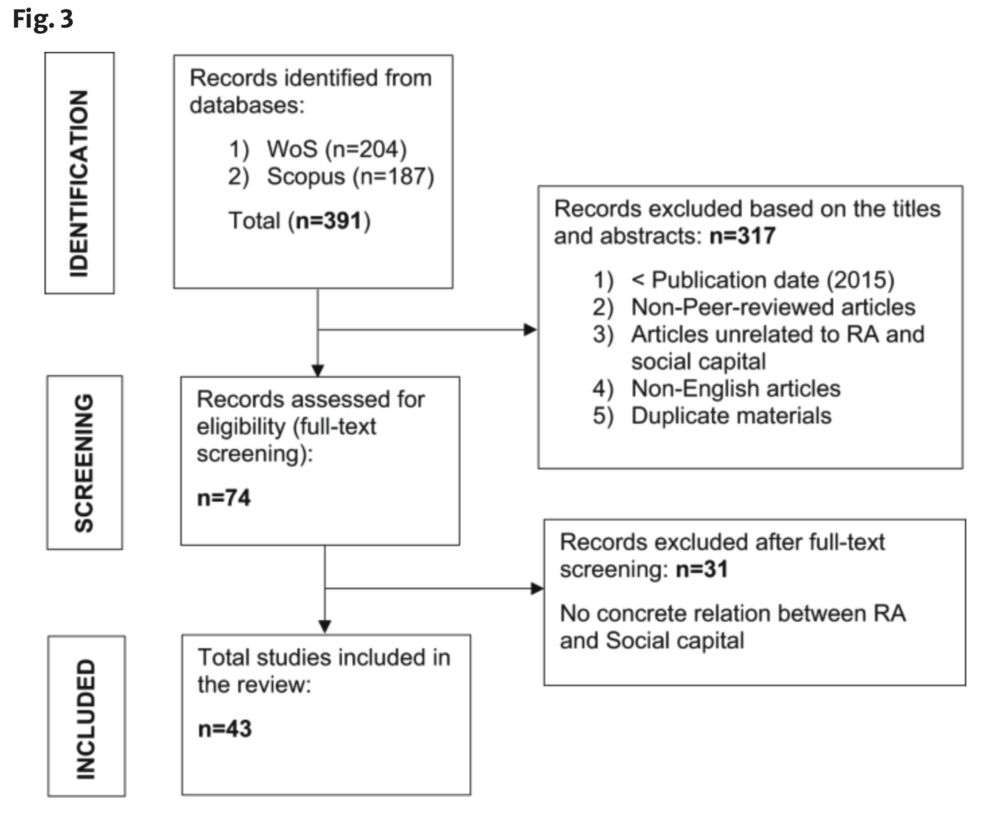
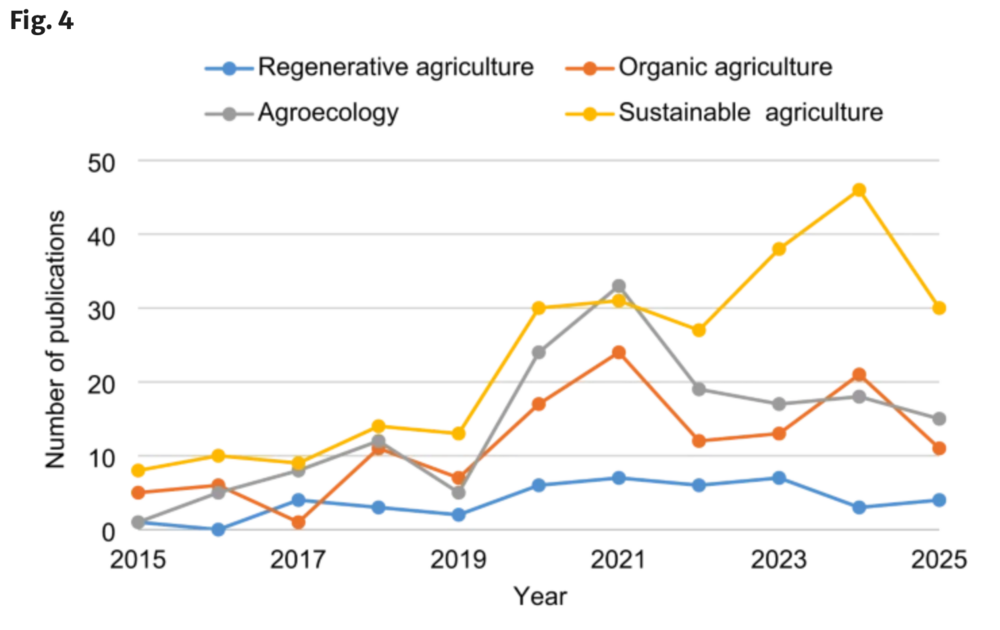
Agricultural research often focuses on production-related aspects such as soil health and yield. However, this study looks at the social factors involved in adopting and spreading regenerative practices. It's the first systematic review of the role of social capital in regenerative agriculture. It's based on a literature review of 43 studies on the topic from the past 10 years.
What are the findings of the study?
- Social capital is fundamental—not just complementary—to the success of regenerative agriculture.
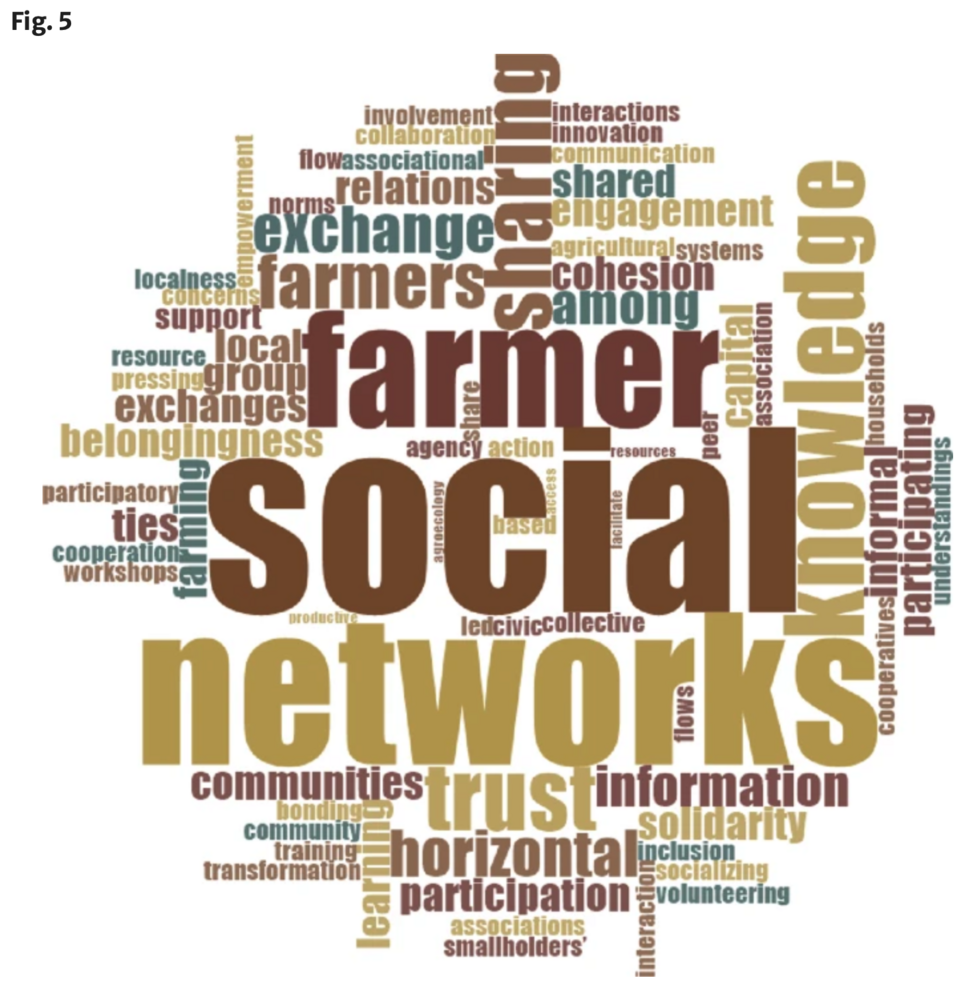
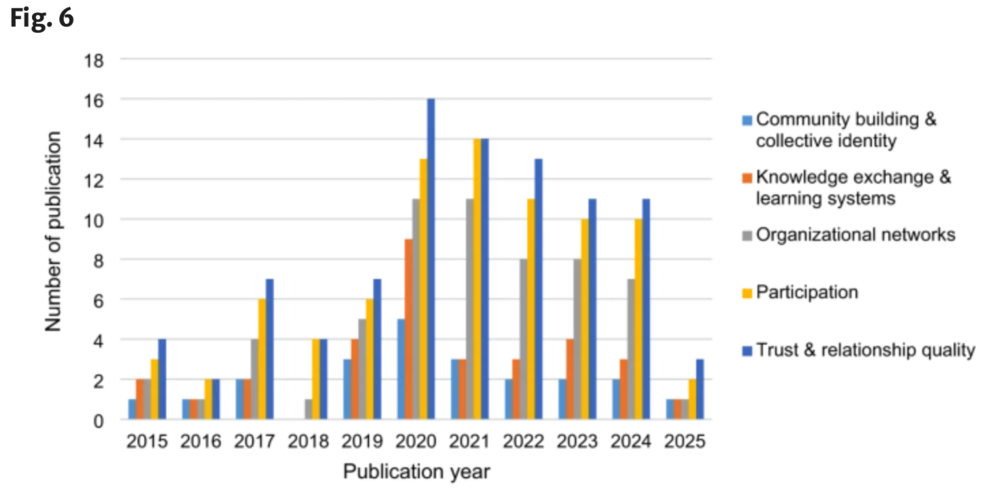
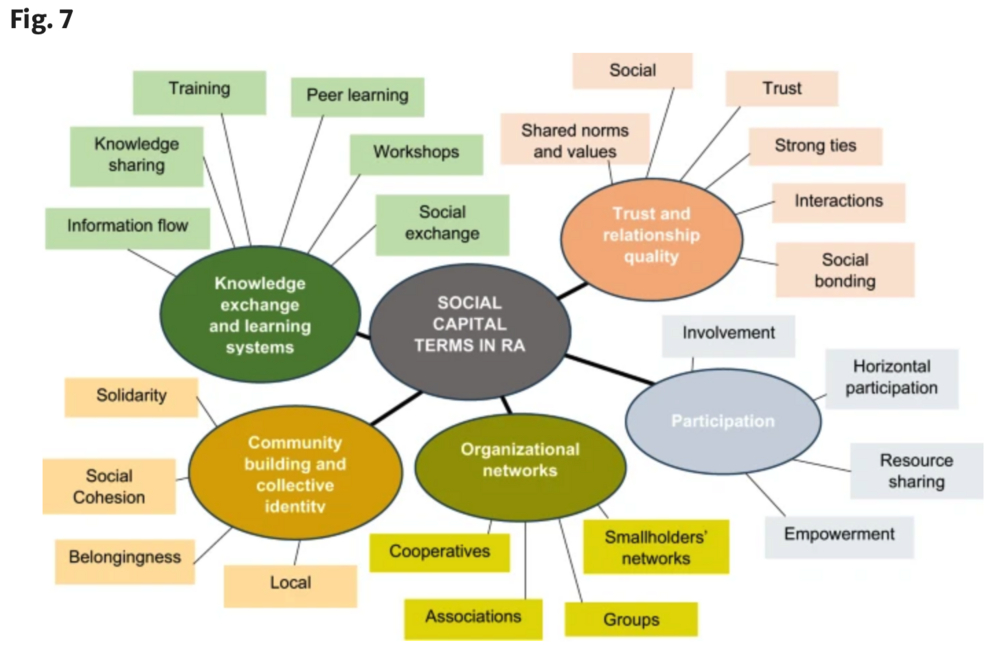
- Five key dimensions are identified: knowledge exchange, community building, trust, participation, and organizational networks. Trust and relationship quality are particularly crucial.
- Peer learning promotes the adoption and stability of regenerative practices.
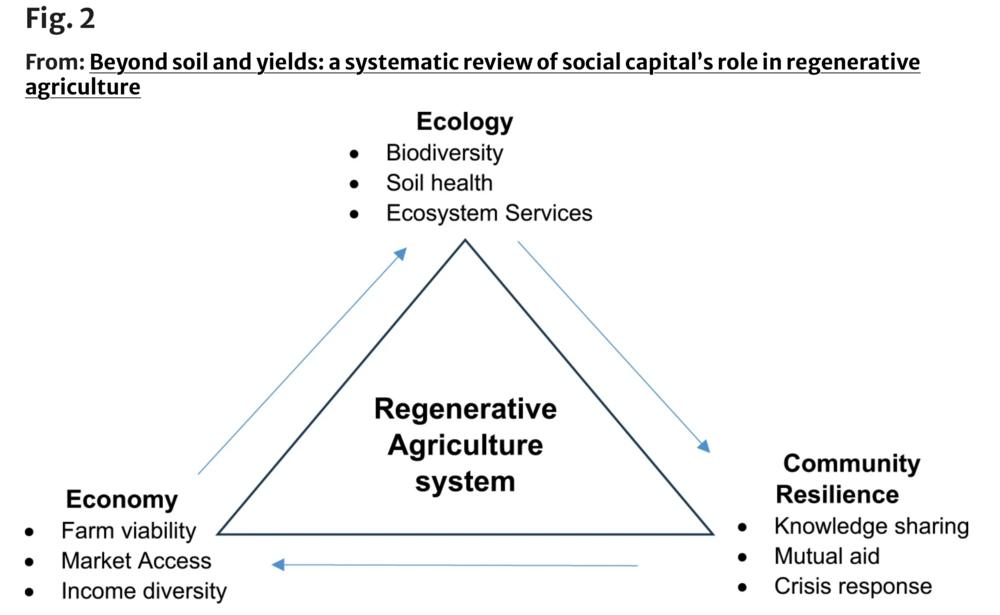
- Regenerative agriculture is not purely a technical farming system, but a socio-economic transformation process.
- There are major gaps in research on the quantification of social capital and the investigation of power and gender relations.
What is particularly exciting from a biodynamic perspective?
In biodynamic agriculture, networks based on trust, community, and collective identity are central. The study results confirm the importance of these aspects. In addition, the study highlights peer learning and knowledge exchange as key factors – core principles of biodynamic practice. Last but not least, the study results also reflect the biodynamic understanding of the farm as a living organism, as a connection between ecological, social, and cultural dimensions.
Comment
What are the limitations of the study?
Neither “social capital” nor “regenerative agriculture” are clearly defined terms. The individual studies that form part of this literature review define these terms differently, which can lead to distorted conclusions when considered together. This conceptual vagueness also makes it difficult to measure social capital quantitatively in order to confirm its influence beyond qualitative evidence.
However, the study provides a good working basis and questions for follow-up studies, and makes it clear that social capital is absolutely fundamental to transformative agricultural systems – and not just a “nice to have.”
Sources and further links to this article
- Original study:
Bebyka Gaspar, Love-Lyne Moïse, Valdine Versaillot, Françoise Jean Baptiste, Pierre Darry Versaillot. Beyond soil and yields: a systematic review of social capital’s role in regenerative agriculture. Discov Agric3, 240 (2025).
https://doi.org/10.1007/s44279-025-00405-2 - The study is covered by Creative Commons (link to license) and has been summarized for this study report.