How can the effect of the horn manure preparation be proven? Morau and Piepho investigated this question in a 2020 study. They examined how the horn manure preparation affects cress seedlings under various stress factors. The study results indicate that the horn manure preparation has a stress-compensating effect.
Study report
What is it about?
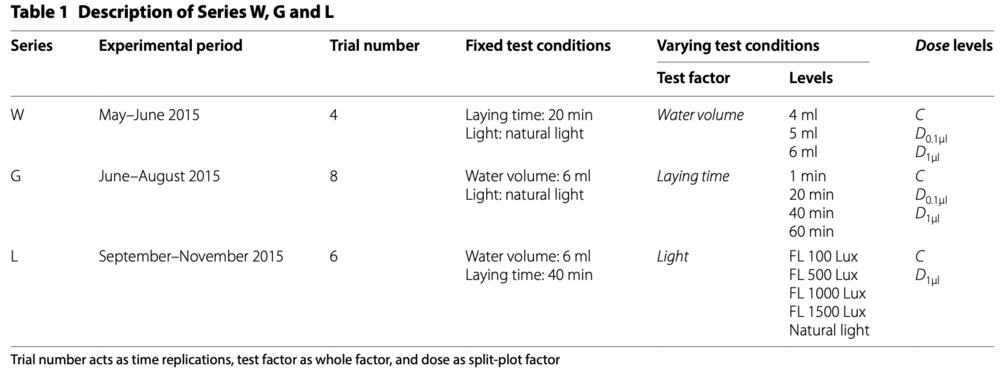
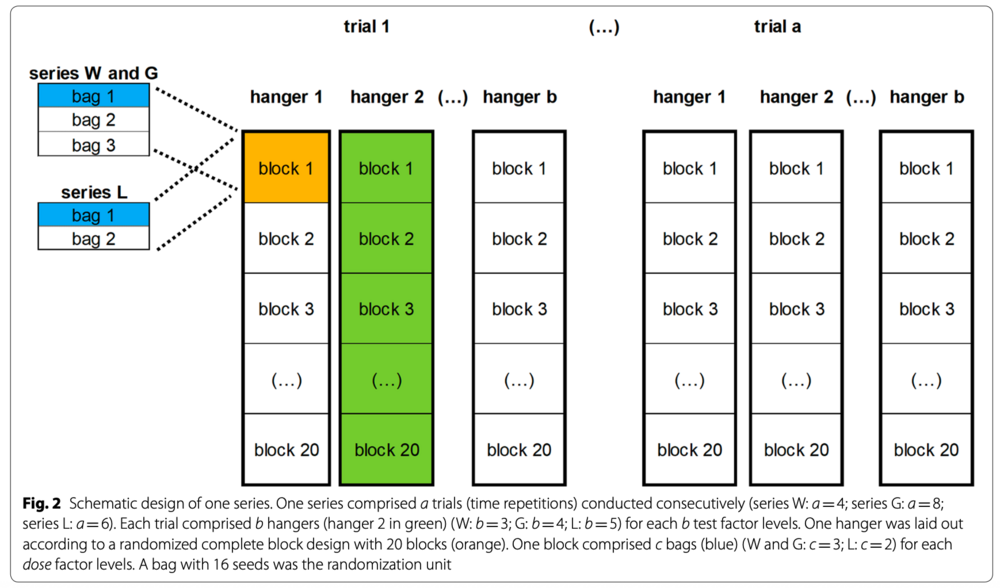
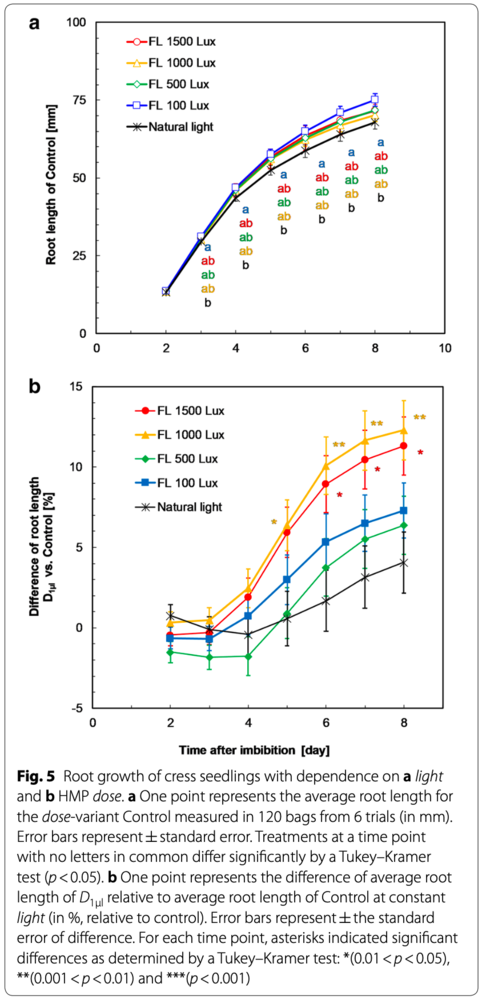
The study investigated how water volume, light exposure, and gravitational disturbances affect cress seedlings. To this end, the seeds were germinated. The root length was then examined and recorded daily. Sixteen cress seeds were placed in each bag and examined. A total of 61,440 cress seeds in 3,840 bags were examined for the study. The experiment was conducted under controlled laboratory conditions.
What were the results of the study?
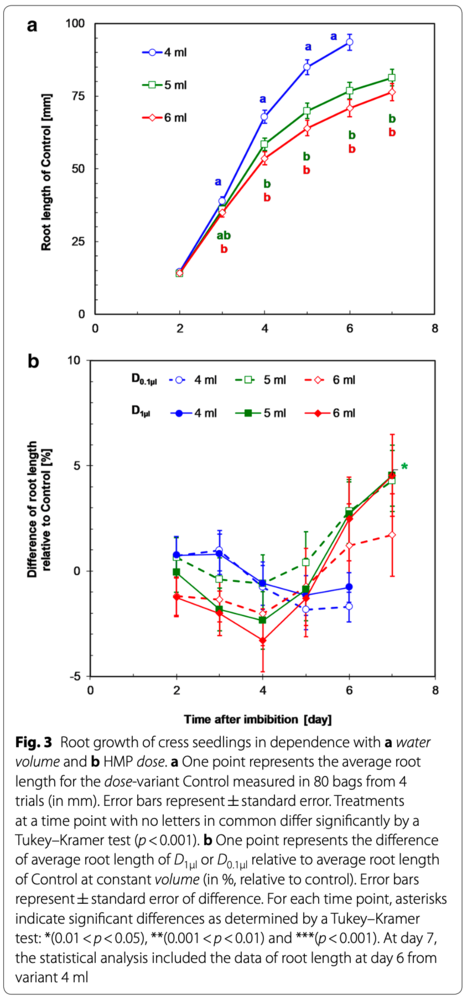
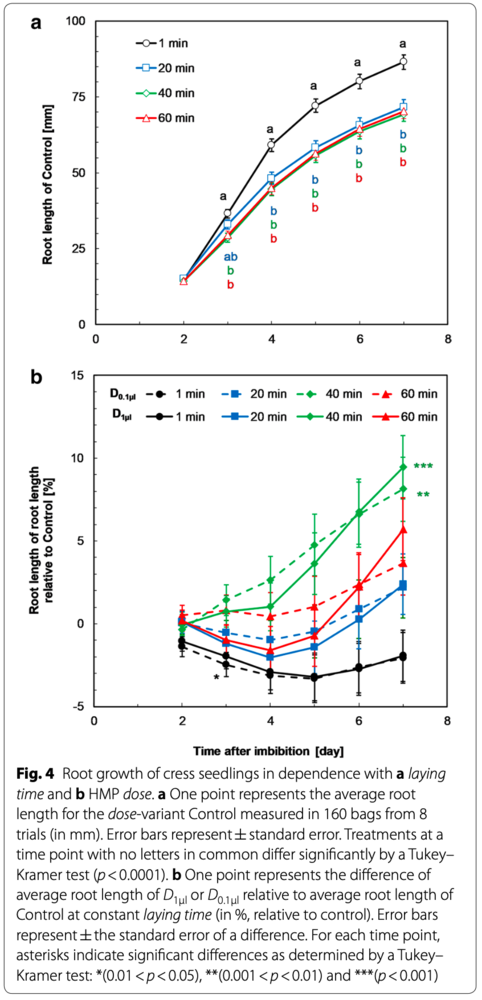
Root growth was significantly reduced (by up to 24 %) by the stress factors compared to the control group. However, the horn manure preparation partially compensated for the effects of the stress factors (+4 % to +9 %, and up to +12 % under fluorescent light). This can be interpreted to mean that the addition of horn manure preparation stimulates the self-regulatory capacity of the seedlings.
What is particularly interesting from a biodynamic perspective?
The preparation of horn manure can exert a regulatory effect, even at low concentrations. This supports the biodynamic idea of harmonizing life processes rather than merely stimulating them. The reduction of stress through the addition of horn manure preparation supports the biodynamic idea of promoting resilience. The preparation helps the plants to help themselves.
Commentary
Where are the limitations of the study?
Although the observed effects are statistically significant, they are small overall. Furthermore, the effective ingredients of the horn manure preparation could not be isolated and identified within the scope of this study.
A laboratory experiment serves to reduce the complexity of nature, enabling the observation and understanding of individual effects in isolation under controlled conditions. The present study provides evidence that the biodynamic horn manure preparation can lead to stress reduction in plants. In biodynamics, however, a holistic approach is central. According to biodynamic understanding, the preparations can only unfold their actual effect in a field trial. In the field, however, the interactions between soil, plants, atmosphere, and other influences are so complex that individual effects can hardly be isolated.
Even if the study results cannot be transferred to field conditions, the study provides a scientifically comprehensible basis for biodynamic practical experience.
Sources and further links to this article
- Original study:
Morau, A., Piepho, HP. Interactions between abiotic factors and the bioactivity of biodynamic horn manure on the growth of garden cress (Lepidium sativum L.) in a bioassay. Chem. Biol. Technol. Agric. 7, 11 (2020).
https://doi.org/10.1186/s40538-020-0176-x - The study is covered by Creative Commons (link to license) and has been summarized for this study report.