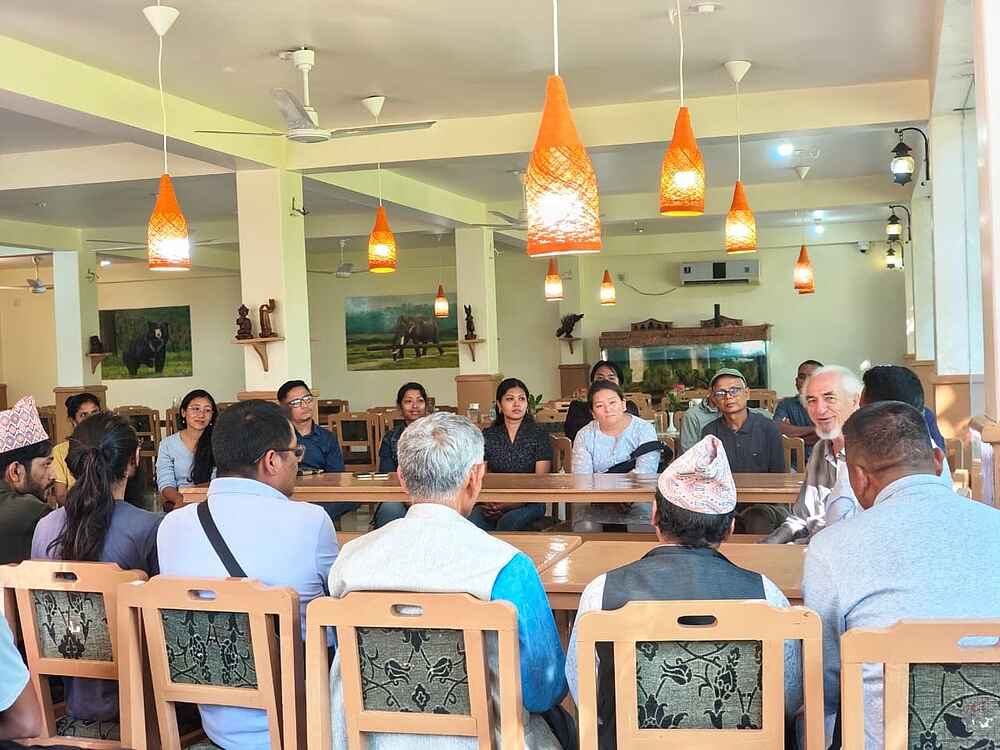
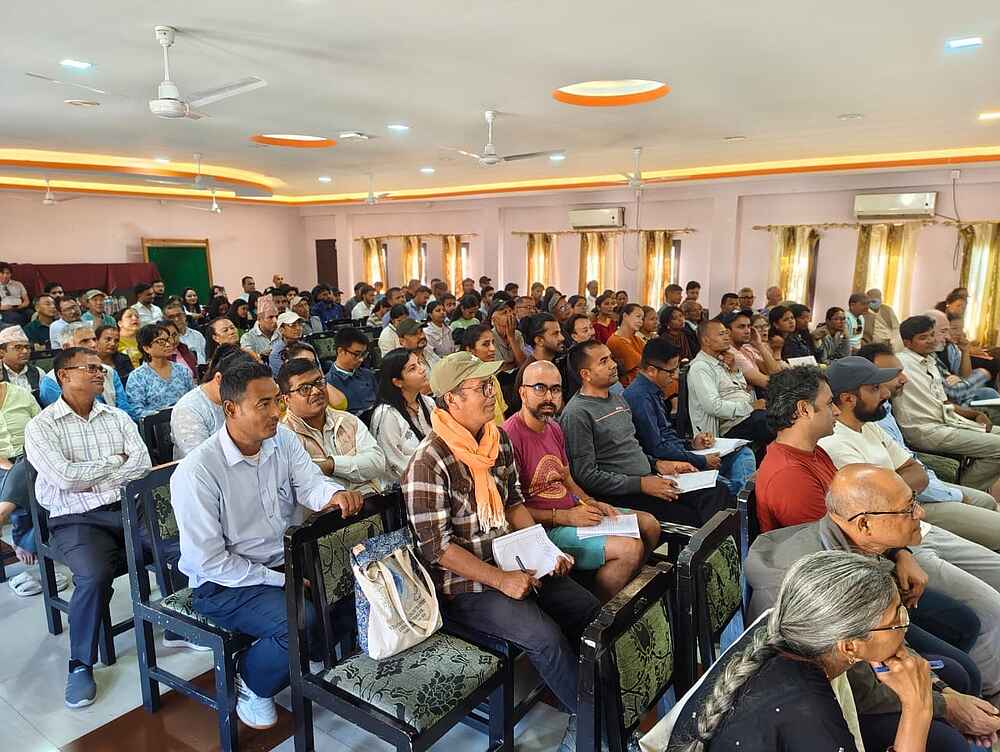
More than 150 biodynamic practitioners, organic farmers from different traditions, researchers, and agricultural students gathered in Sauraha, Chitwan, from 3 to 5 November 2026 for Nepal’s first National Biodynamic Conference. The three-day gathering was marked by remarkable enthusiasm, a spirit of learning, and a shared concern for the future of agriculture.
Following last year’s Asian Biodynamic Conference in Pokhara, themed Healing Himalayas, this national conference brought the conversation closer to the ground—quite literally—to the health of Nepal’s soil. Although national in its focus, the gathering also welcomed international earth-care enthusiasts, including participants from India, Bangladesh and Belgium, and trainers from Australia. the USA, the Philippines giving it a wider, cross-border character.
Soil health
The discussions brought a sobering picture of Nepal’s soil health into focus. Soil scientists presented research and findings that raised serious concerns about declining soil organic carbon, particularly in the Terai, alongside deficiencies in essential nutrients and micronutrients. Their message was clear: our soils urgently need meaningful intervention. The challenge is not simply to replace chemical fertilisers with organic alternatives, but to rethink our entire relationship with the land.
The conference also invited participants to reflect on the deeper ecological crisis unfolding across the Himalayas. In the aftermath of disasters such as the Langtang collapse, and the destruction of river-valley agricultural settlements and their ways of life, an important question emerged: how can we recover the traditional wisdom of earlier generations of farmers? They understood how to live with rivers, soil, land, and mountains—not by attempting to dominate nature, but through a relationship shaped by observation, sensitivity, and respect.
Connecting soil health and human health
Dr. Laxmi Prasanna, a global anthroposophical physician, was the keynote speaker throughout the three days. She had also addressed a pre-conference public gathering in Kathmandu, bringing doctors, teachers, and farmers into one conversation. Her central appeal was that these three groups must work together to care for children and the soil. The connection between the health of children and the health of the earth became one of the conference’s most powerful and thought-provoking messages. Her reflections encouraged participants to reconnect with ancient wisdom and resist being carried away by the growing commercialisation of systems that should ultimately serve life.
Future perspectives
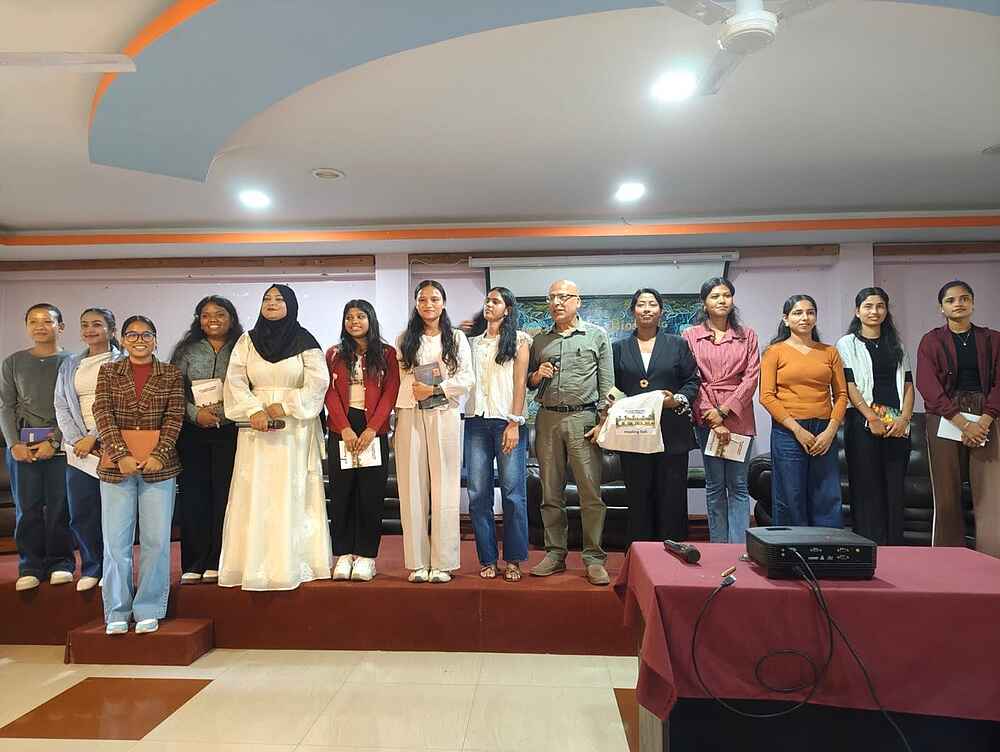
A particularly hopeful dimension of the conference came from the voices of female agricultural students. Their panel discussion offered a glimpse of possibility at a time when agricultural land is increasingly being abandoned and younger generations struggle to see a future in farming. Women, who remain among the most important custodians of the earth and everyday agricultural knowledge, brought an essential perspective to the discussions.
International biodynamic practitioners and trainers, together with Nepali biodynamic trainers, led sessions on biodynamic methods and practical applications. Beyond introducing techniques and preparations, they encouraged participants to reconsider how we perceive nature through our senses and how a more conscious relationship with the living world can transform agricultural practice.
Eurythmy was another major highlight. Four Nepali eurythmists introduced participants to this distinctive art of movement, inspiring them to take part in morning sessions and workshops. It brought an artistic and experiential dimension to the gathering, reminding everyone that learning about agriculture need not be confined to scientific presentations and technical discussions. It can also engage the body, mind, and spirit.
Disseminating biodynamic knowledge Across Nepal’s seven provinces
The conference marks the beginning of an ambitious seven-year journey. The Nepal Biodynamic Circle intends to take this national gathering to all seven provinces of Nepal, creating spaces for farmers, researchers, educators, and earth-care practitioners to meet and exchange knowledge. At the closing session, the next conference was announced for Madhesh Province in October 2027, receiving an enthusiastic response.
From the alarming state of our soils to the wisdom of ancestral farming, from the voices of women and young people to the healing possibilities of biodynamic agriculture, the first National Biodynamic Conference was much more than a gathering of practitioners. It was an invitation to rethink our relationship with the earth—and to recognise that healing the soil is ultimately about healing ourselves.