Visit of Dr. Jasmin Peschke to China
At the invitation of the Demeter China Association, Dr. Jasmin Peschke, Head of the Nutrition Department at the Section for Agriculture, travelled to China from 20 April to 2 May 2026 to conduct workshops and training courses on dynamic nutrition and biodynamic food quality.
One of the central venues was Phoenix Farm at the foot of Phoenix Ridge, a mountain range in the northwest of Beijing. The farm was China’s first biodynamic operation with Demeter certification and was also the original headquarters of the Demeter China Association.
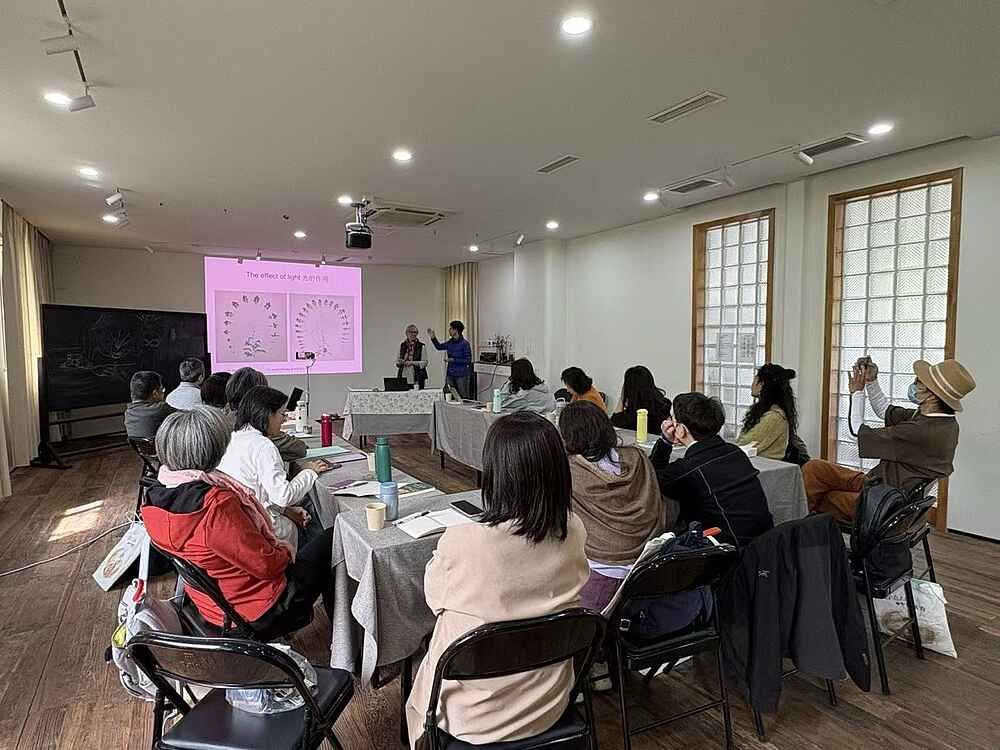
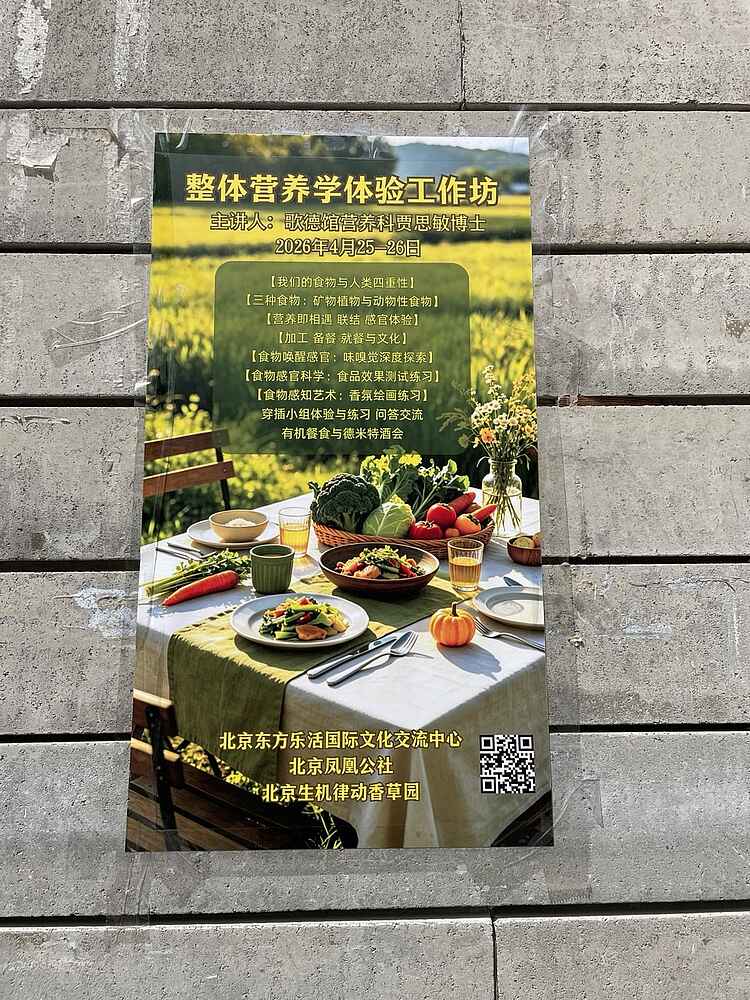
A public introductory lecture on the topic “Field to Table” was held there and broadcast online for biodynamic farmers and Waldorf teachers throughout the country. In addition, two workshops for professionals were conducted: “Herbs and Dynamic Nutrition” and “Introduction to Dynamic Nutrition”. Around 30 professionals, therapists, educators, and farmers participated on site.
Sensory experiences and practical exercises
For the workshops, Chinese Demeter farms provided rice, millet, fresh herbs, and edible flowers. Dr. Jasmin Peschke’s workshops combined theoretical knowledge with practical experience. Through mindful tasting exercises, participants were able to perceive differences between conventional, organic, and biodynamic foods. Creative methods such as fragrance and aroma painting also fostered a deeper understanding of plant and food quality.
Particular interest was generated by WirkSensorik® (Empathic Food Testing) – a method for consciously perceiving the effects of food on one’s own well-being. During the workshop, Dr. Jasmin Peschke presented various applications of this approach for different groups of consumers. Foods always have an effect; however, this effect is generally not consciously perceived. Nevertheless, anyone can direct their attention to it and become aware of it. This method is promising and helps people distinguish qualities and find their own individual form of nutrition.
Impulses for agriculture and Waldorf Education
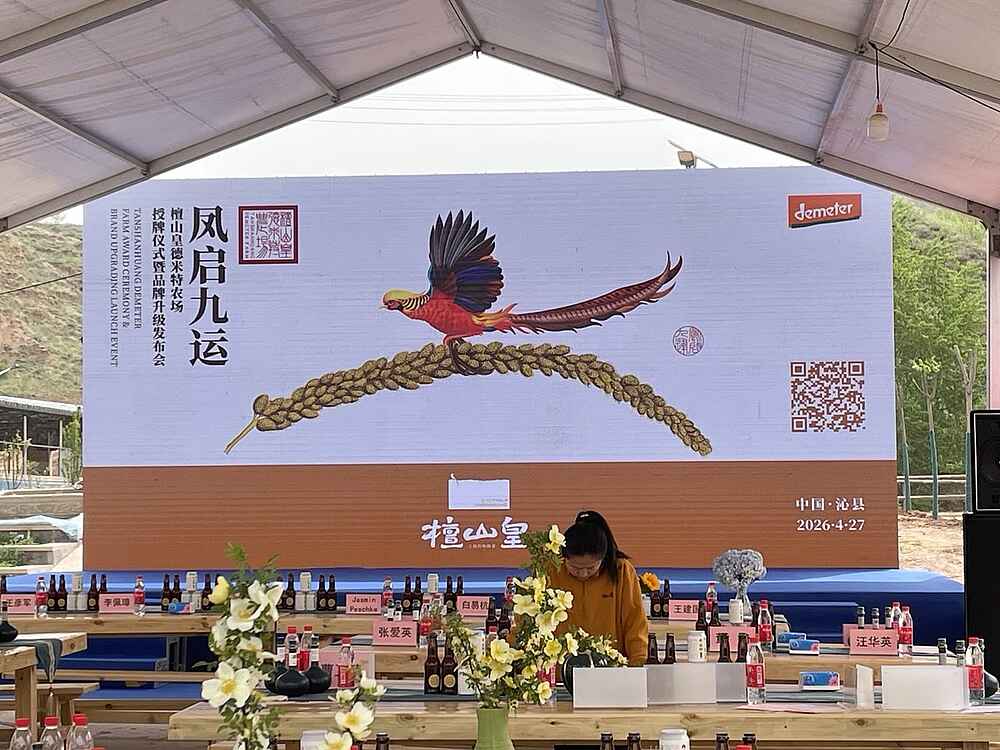
In addition to the events in Beijing, Dr. Jasmin Peschke visited other biodynamic institutions and Waldorf schools, including the biodynamic herb garden Shengjiludong in Beijing, the Beijing Nanshan Waldorf School, the Demeter farm Tanshanhuang in Shanxi Province, and the Motherland Waldorf School in Shanghai.
There, she provided advice on topics such as herb cultivation and nutritional issues concerning children. The approaches of dynamic nutrition attracted particularly strong interest within the Waldorf education community.
New tools for market development in China
The training programmes conducted by Dr. Jasmin Peschke not only provided a theoretical foundation for consumers in China but also conveyed concrete methods and tools for market development. One objective is to develop local expertise and competencies.
As biodynamic agriculture continues to develop in China, the number of farms operating biodynamically or already certified by Demeter is also increasing. However, despite rising production volumes, many farms face a central challenge: How can biodynamic products be marketed at fair prices in a way that creates a sustainable cycle of production and sales?
At the same time, the question arises of how to access new market segments and attract more consumers to biodynamic products over the long term. According to the experience of the Demeter China Association, consumer education plays a particularly decisive role in this regard. The scope and quality of this educational work are key factors shaping the development of the biodynamic market in China.
Source: Demeter China Association, article by Shen Li