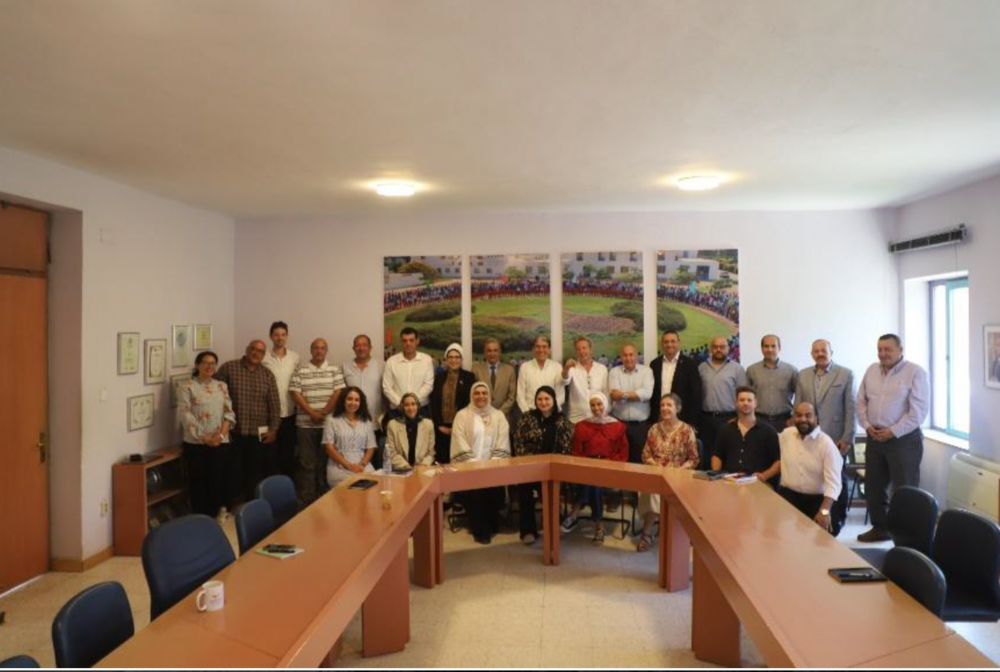
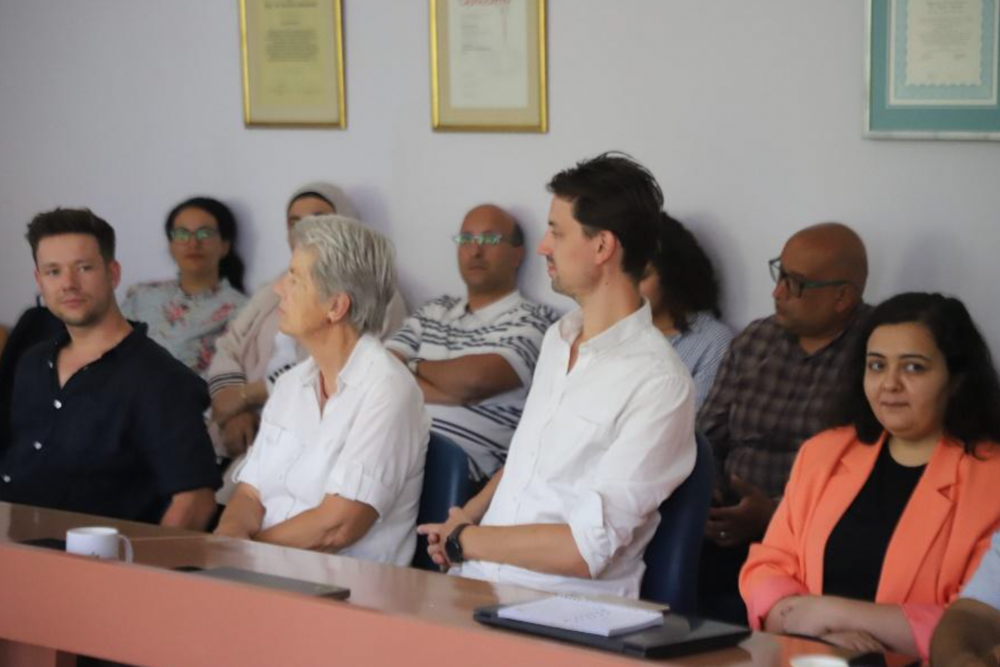
On 21 June 2026, the Associated Office of the Section for Agriculture at the Goetheanum, Egypt was officially inaugurated at Heliopolis University for Sustainable Development in Cairo during an internal ceremony.
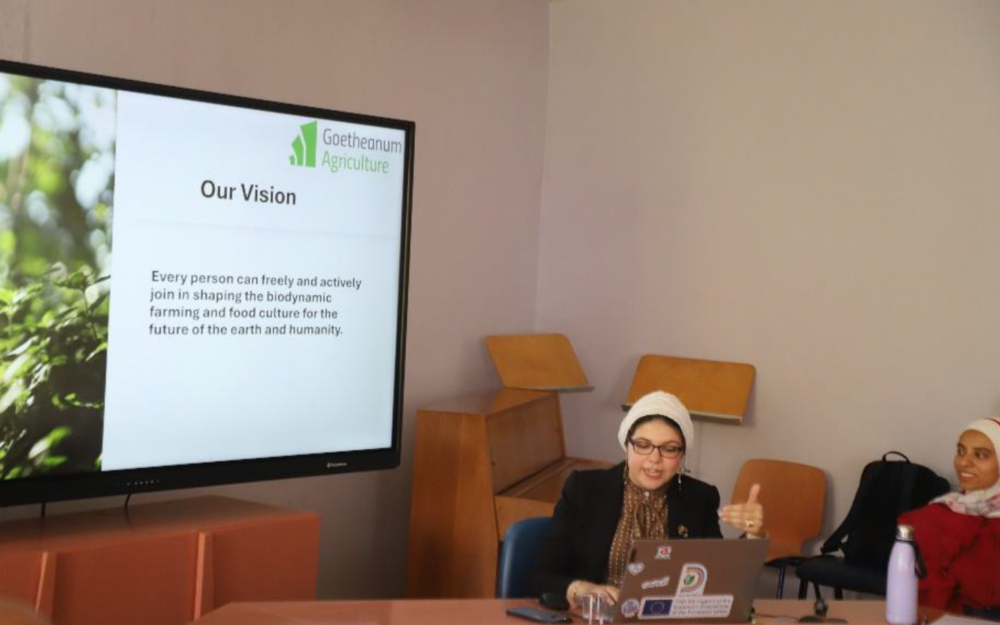
Fatma Abosamra was appointed Head of the Office. She has been part of Heliopolis University for Sustainable Development for more than eight years, during which she has held a range of academic and leadership positions. She began her career as a Teaching Assistant and Project Coordinator at the Faculty of Organic Agriculture before being appointed Assistant Lecturer and Project Manager.
During the inauguration, she presented the vision of the office as a platform for research, education, capacity building, and international cooperation. Its purpose is to bring together the diverse biodynamic initiatives emerging through SEKEM and Heliopolis University while strengthening their connection with the Section for Agriculture at the Goetheanum. As Head of the Office, she will foster collaboration, develop new initiatives, and support the continued growth of biodynamic agriculture in Egypt.
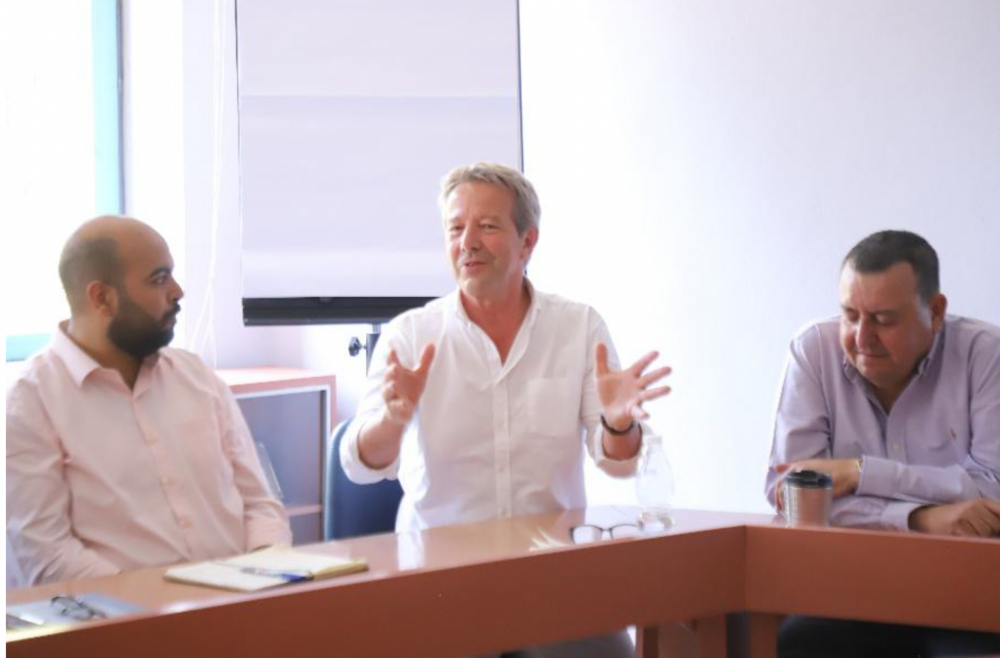
Helmy Abouleish, CEO of the SEKEM Group, highlighted the dynamic development of projects at the intersection of biodynamic agriculture and agroforestry, describing them as opening up important new perspectives. The Section for Agriculture is actively involved in this work. He also noted that, under SEKEM's guidance, around 40,000 Egyptian smallholder farmers have already converted their farms to biodynamic management, with many more expected to follow. The education and training of the growing number of people involved requires substantial engagement with the scientific and spiritual foundations of anthroposophical agriculture. At the same time, this work seeks to engage constructively with Egypt's predominantly Islamic cultural context. Angela Hofmann, SEKEM's Coordinator for Agriculture and an expert in biodynamic preparations, emphasized the importance of adapting the biodynamic preparations to African conditions.
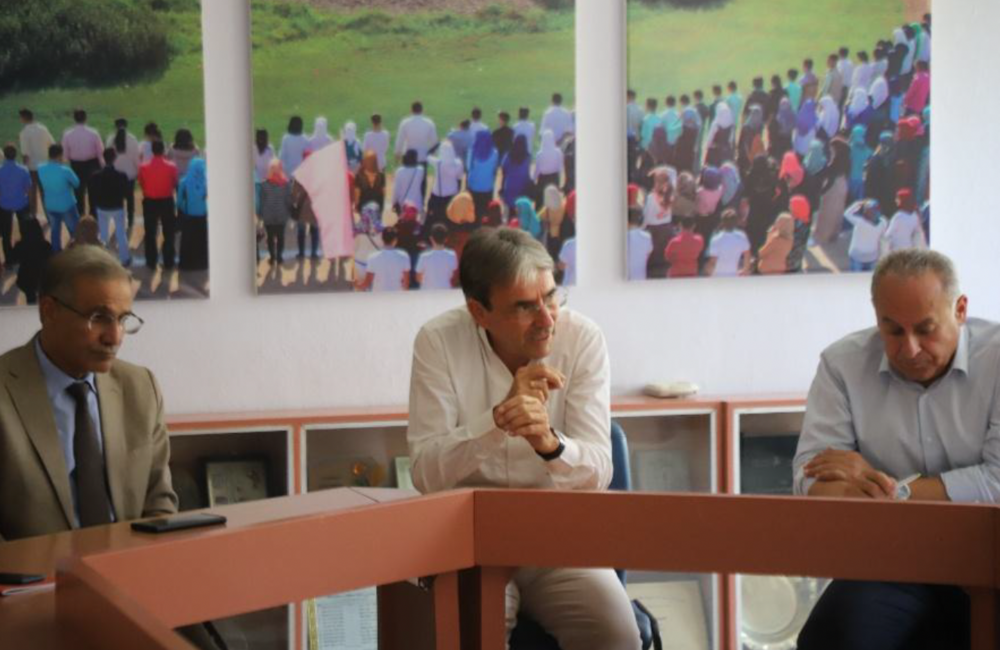
Ueli Hurter, Co-Leader of the Section for Agriculture at the Goetheanum, offered the many professors and doctoral researchers present an introduction to the Goetheanum as the School of Spiritual Science. He also recalled that Johann Wolfgang von Goethe, after whom the Goetheanum is named, was a decisive source of inspiration for the young Ibrahim Abouleish, who moved to Europe to study Goethe's cultural legacy. When Abouleish returned to Egypt 49 years ago to found SEKEM, he brought with him Rudolf Steiner's anthroposophy, itself deeply rooted in Goethe's worldview.
The establishment of the Associated Office of the Section for Agriculture at the Goetheanum, Egypt formally institutionalizes the spiritual affinity that has existed between the Goetheanum and Heliopolis University since the university's foundation. It expresses the shared intention and hope of bringing the profound sources and the broad practical experience of biodynamics and anthroposophy into a mutually strengthening relationship.
The new office also marks an important milestone in strengthening the long-standing cooperation between the Goetheanum, SEKEM, the Egypt Biodynamic Association (EBDA), and Heliopolis University.
Envisioned as a bridge between international biodynamic knowledge and local initiatives in Egypt, the office will promote research, education, innovation, and dialogue while contributing to the continued development of biodynamic agriculture and anthroposophy in Egypt and throughout the wider region.